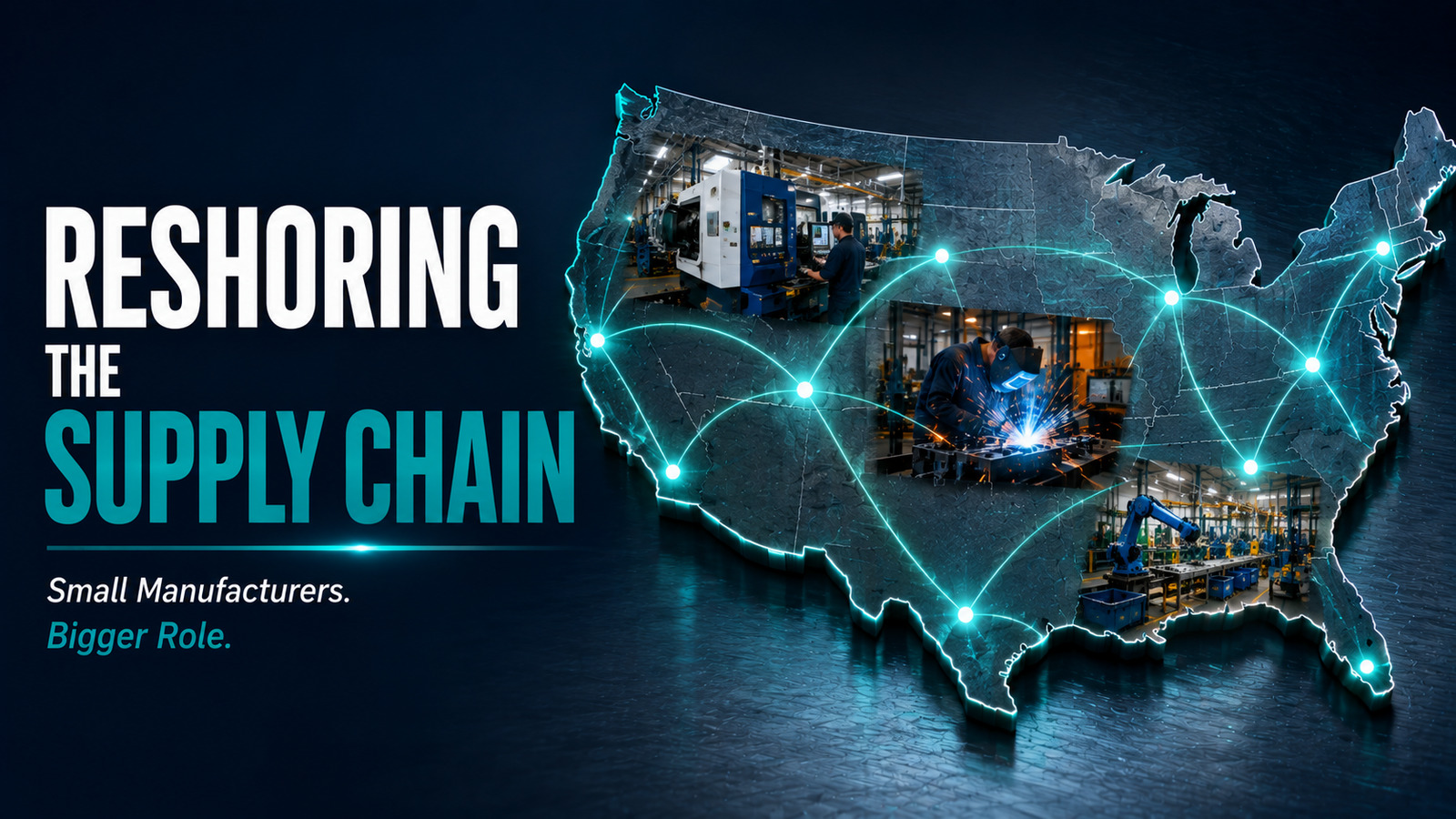
Ten years ago, there was an aggressive move to a global supply chain which has made matters far worse during the COVID-19 pandemic.
Why Small Manufacturers Became Critical Suppliers
Unlike larger manufacturers, small manufacturers are often more agile, allowing them to recognize and adjust to changing conditions in real time. This advantage became especially apparent during COVID-19.
When supply chains from China were suddenly disrupted, small manufacturers quickly emerged as alternative suppliers. Real-time visibility also gave them access to the same supplier information available to larger manufacturers.
Even as the country navigates the difficult process of reopening, small manufacturers remain uniquely positioned to answer the call. Tier 2 and Tier 3 manufacturing suppliers have taken on greater importance, making them increasingly attractive to potential buyers.
COVID-19 Exposes the Risks of Complex Supply Chains
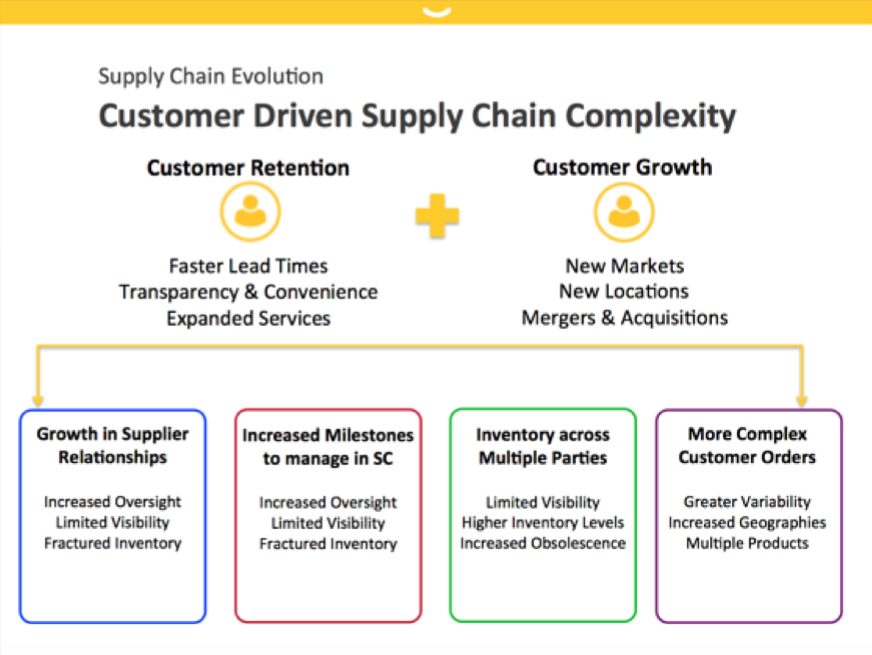
Supply chains are inherently complex, involving many touchpoints and a variety of organizations. These challenges are influenced by delivery capacity, which remained a concern during COVID-19 despite shrinking margins.
For small manufacturers, addressing supply chain challenges often comes down to leveraging automation and software technology to increase production capacity and improve the scale of product and material delivery.
Ten years ago, companies made an aggressive shift toward global supply chains—a transition that made conditions considerably worse during the COVID-19 pandemic.
More than a decade ago, numerous analysts warned that reducing supply chain complexity would be essential for future success. That future has arrived.
Complexity can destroy supply chain efficiency. Factors that increase supply chain complexity include global sourcing, new SKUs, natural and human-made disasters, compliance requirements, transportation availability, rising commodity prices, changing consumer preferences, and COVID-19.
Flexible Manufacturing and Edge Computing Reduce Complexity
There is growing excitement surrounding flexible manufacturing and the use of edge computing. Making complex machines truly intelligent offers manufacturers many potential advantages.
Machine builders preparing to sell their companies have discovered that smart machines can also be more adaptable, serviceable, and easier to operate.
This represents an important development as U.S.-based small manufacturers evaluate the risks and costs of managing their operations, particularly in a post-COVID world.
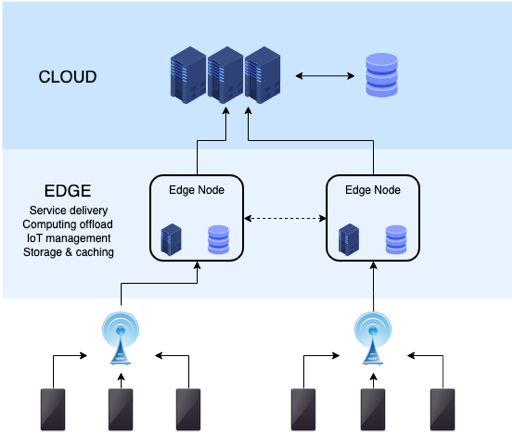
Edge computing is a distributed computing model that brings computation and data storage closer to where they are needed. This improves response times while conserving bandwidth.
Modern edge computing significantly expands this approach through virtualization technology, making it easier to deploy and run a broader range of applications on edge servers.
Reshoring Creates Opportunities for U.S. Small Manufacturers
Anna Shedletsky, a senior contributor to Forbes, explained that widespread globalization means nearly every supply chain has been affected by COVID-19.
Tariffs lengthened supply chains as companies worked to add transformations outside China to avoid additional costs. Those same manufacturers are now exposed across a much larger geographic area.
As different regions open and close—potentially multiple times over the next 24 months—manufacturers may find themselves playing whack-a-mole with component shortages. Smaller companies and specialized product manufacturers are especially vulnerable because they often depend on single-source components.
Local Manufacturing Becomes a Strategic Advantage
Small U.S.-based manufacturers are taking on an increasingly important role during COVID-19 and beyond. They are becoming essential suppliers because manufacturers need reliable access to locally sourced parts.
With many commercial fleets grounded and freight capacity drastically reduced, the answers can often be found within the local community. This focus on domestic and regional suppliers is likely to continue for many years.
These conditions make buying and selling small manufacturing companies particularly attractive in 2020 and throughout the remainder of the decade.
The Value of Looking Close to Home
“If I ever go looking for my heart's desire again, I won't look any further than my own back yard. Because if it isn't there, I never really lost it to begin with.” (The Wizard of Oz)
Contact us with any questions.